
Products
One-stop digital and intelligent industrial energy-saving system solution
Function Introduction of Energy-Carbon Integration Solution
The Energy-Carbon Management Platform integrates intelligent energy management, carbon emission accounting, carbon target setting, carbon reduction project management, carbon offset project management, and enterprise carbon certification business. It provides enterprises with a one-stop green and low-carbon operation solution, dedicated to helping every enterprise achieve intelligent and green carbon-energy management and build a sustainable future.
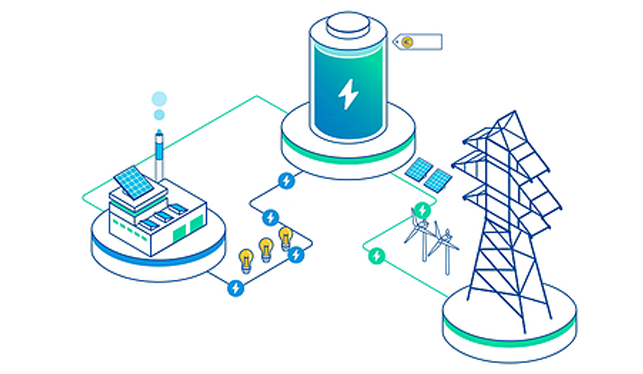
Core Functions
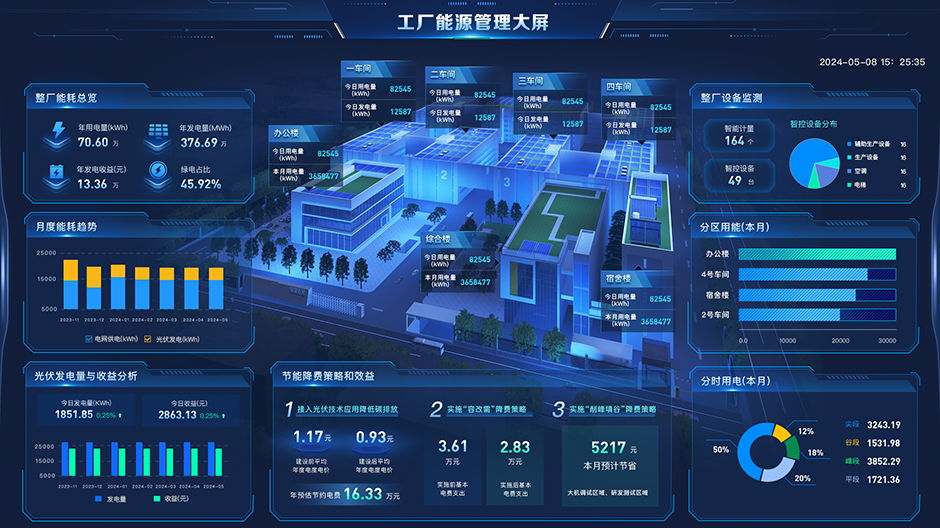
Energy-Carbon Visualization Dashboard
Supports the setting of carbon emission targets and displays the achievement status of the targets. It facilitates carbon emission managers to conduct comparative analysis of data at various levels and dimensions, and intuitively shows the progress of emission target achievement, as well as specific data on the enterprise's carbon emission composition, carbon intensity reduction, energy conservation and emission reduction, and carbon offset.Energy-Carbon 3D Visualization
· Establishes vivid physical models through digital twin and 3D modeling, connects data, and displays data and abnormal information on the 3D models to enable buildings to quickly locate abnormalities.· Digital twin of an industrial park: park overview, floor energy consumption information, air compression system, refrigeration system
· Digital twin of a smart microgrid: park overview, photovoltaic system, energy storage system, load monitoring
Visual Energy Consumption Monitoring
Intuitive display of energy consumptionClassifies, counts and manages monitoring data, completes statistical analysis of energy consumption data by different time periods; displays data in different forms such as line charts and bar charts, and supports report output of statistics on various energy supplies and energy consumption.
Multi-Dimensional Energy Analysis
Automatic energy efficiency evaluationCan extract energy consumption data for horizontal and circular comparative analysis, establish benchmark values, judge the energy consumption level of each monitoring point, conduct automatic benchmarking, and realize energy consumption level auditing.
Automatic Energy Consumption Report and Alarm
Time-saving, worry-saving and labor-savingOutputs energy consumption summary reports and energy consumption scores according to energy consumption reports, and scores based on energy efficiency data; generates and outputs energy efficiency analysis reports; sends alarm notifications for excessive energy consumption and analyzes users' electricity consumption behavior.
Dynamic Load Self-Learning Prediction
Automatic benchmarking of loadIntegrates a dynamic load prediction algorithm model, which continuously conducts self-learning based on information such as actual meteorological parameters and operation data to optimize the prediction accuracy of the prediction model.
Energy Consumption Analysis Strategy & Low-Carbon Operation Optimization
Low-carbon operation optimizationSupports the setting of carbon emission targets, enables real-time and automatic presentation of carbon emission information, tracks carbon emission status, and provides alarm services.
Intelligent Carbon Management Strategy
Energy conservation, emission reduction and cost reductionSupports the formulation of low-carbon operation strategies for each subsystem of the project according to the energy conservation and carbon emission reduction targets of the project's energy consumption and carbon emissions, realizes operation optimization, and feeds back relevant strategies to each subsystem.
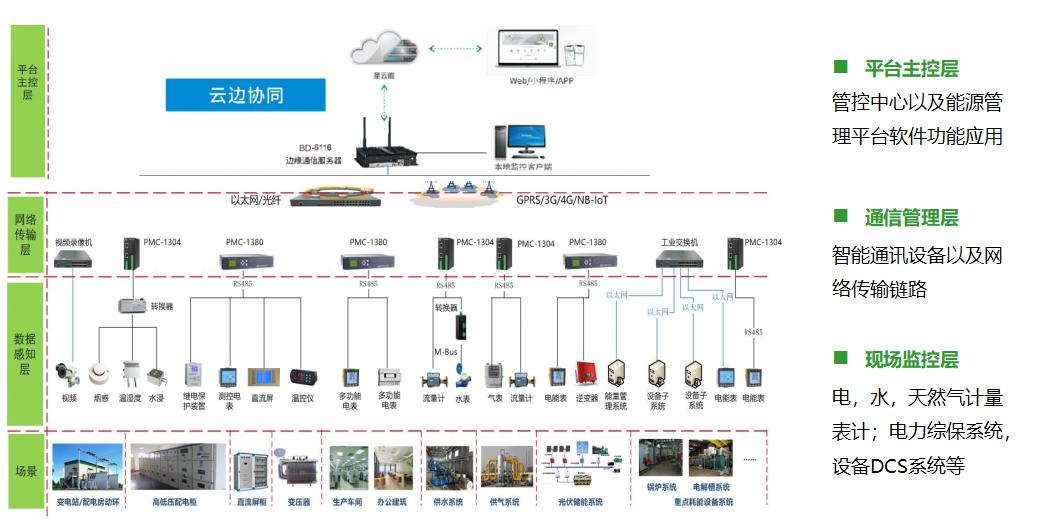
Energy-Carbon Integration Framework
Case in Municipal Industry
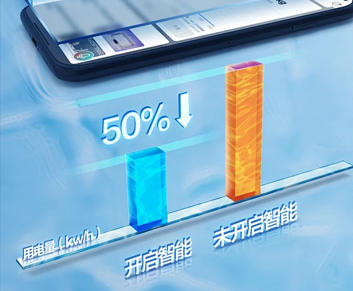
A certain university has more than 3,000 water and electricity metering points. Relying on the Energy-Carbon Integration Solution, a conservation-oriented campus energy conservation supervision system was provided for the university. This system conducts online supervision of the university's building energy consumption, enabling managers to make data-driven decisions, use tools to analyze the composition of energy costs, identify the causes of abnormal energy consumption, and take measures to control unreasonable energy consumption growth, which greatly improves management efficiency.





-
 Air compressor
 -
 B&D cloud
 -
 Weibo
Weibo -
 Zhihu
Zhihu -
 Wechat channel